About
Jump to: The gear · Support the site
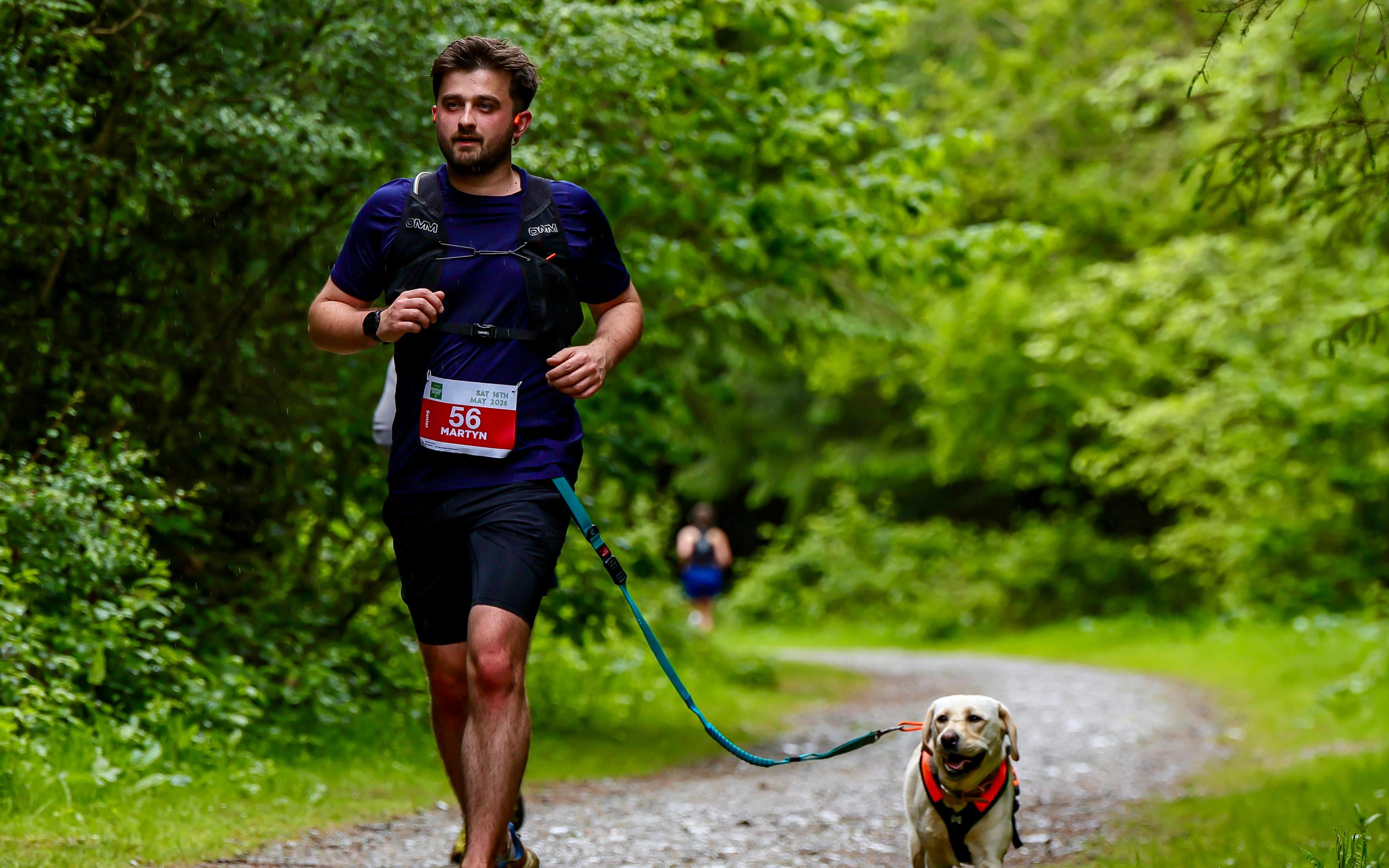
Myself and one of my astro companions, Sephy, at the Roadford Trail Races.
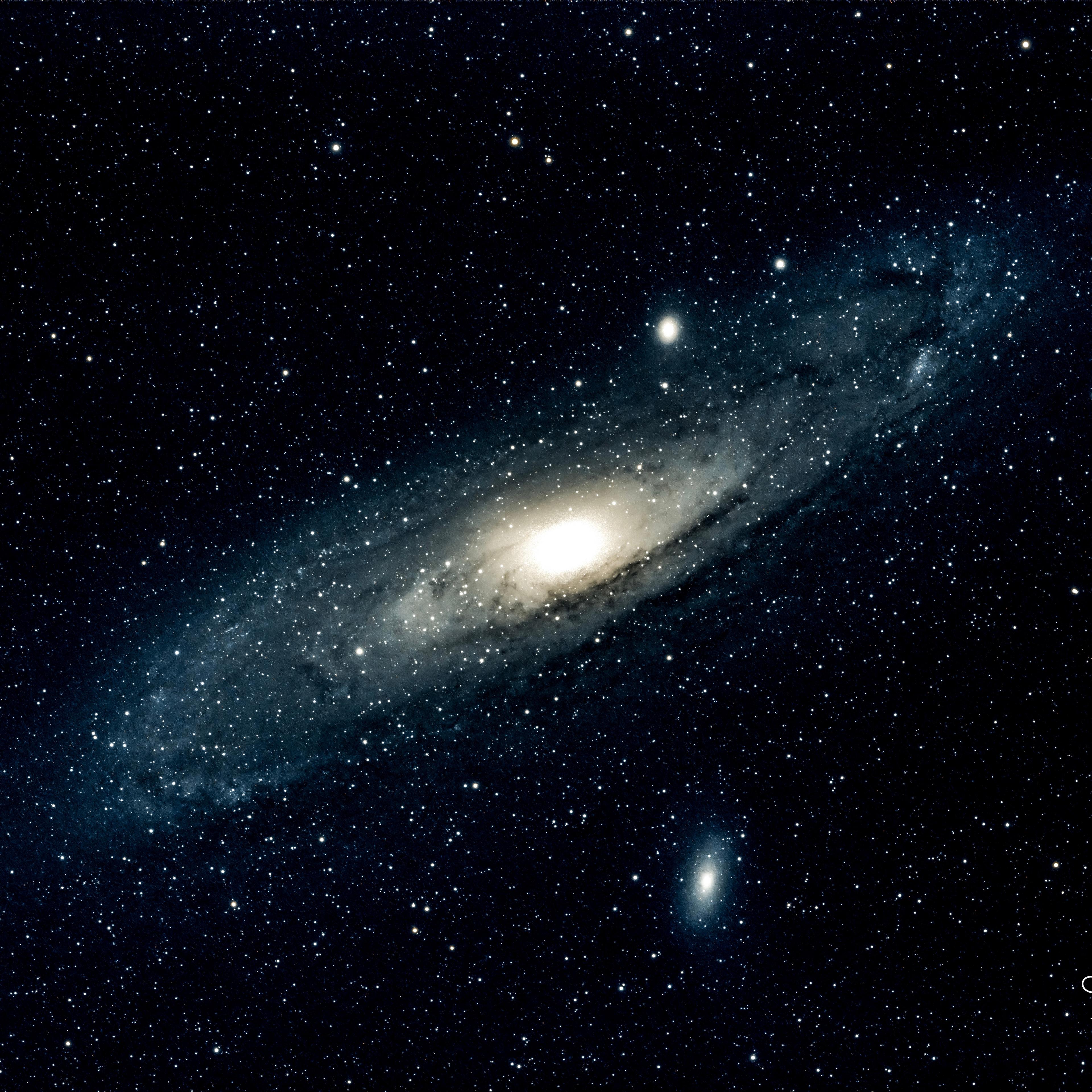
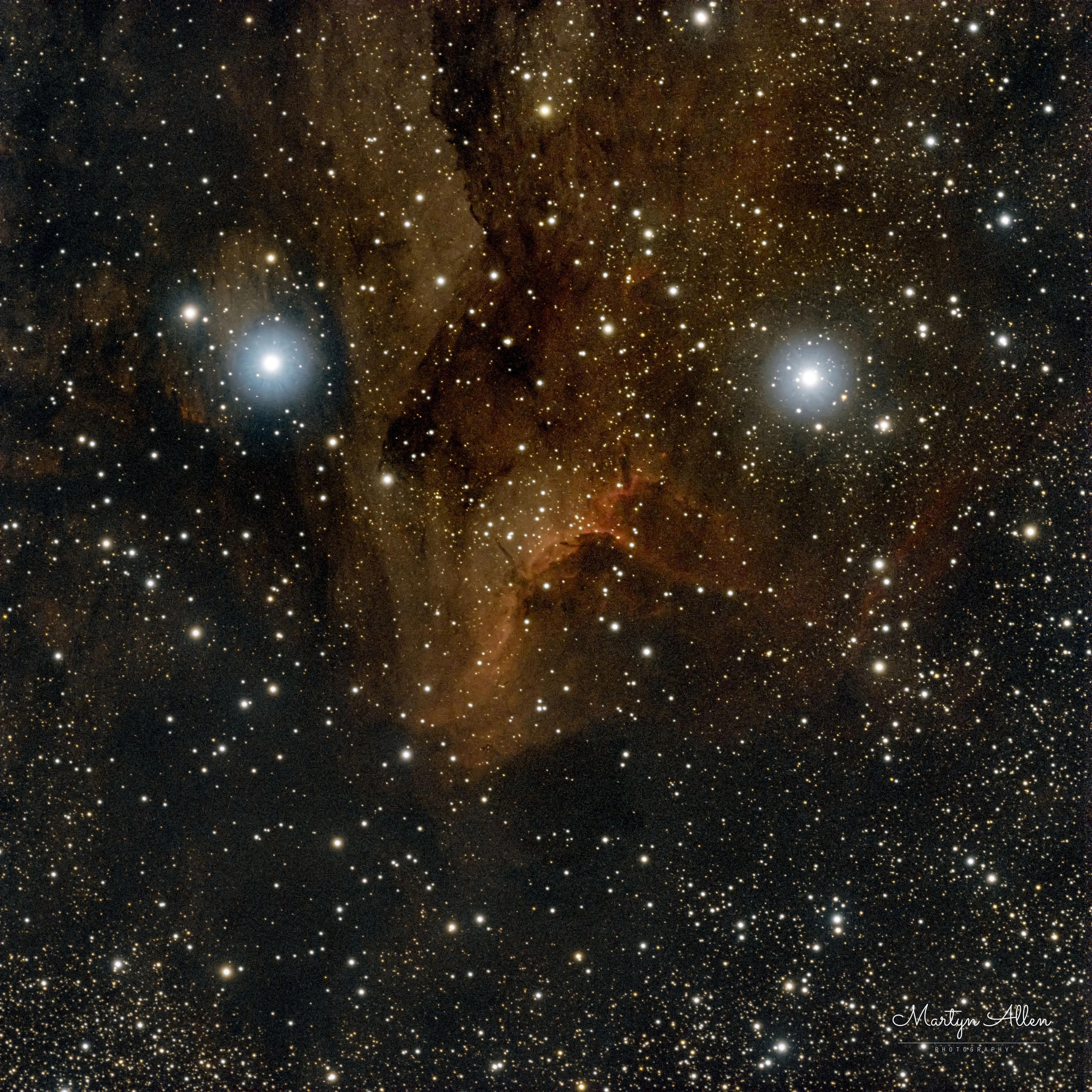
Hello, I'm Martyn — the person behind Astromar, a Devon-based astrophotography setup, and the honest write-up of everything that comes with it: the gear that works, the gear that doesn't, and the long, cold, occasionally frustrating process of turning light from things unfathomably far away into an actual photograph.
My content comes from multiple different approaches to astrophotography. The ZWO Seestar S50 is my travel scope; it’s extremely portable and stimulates great conversations with friends and family. The manual rig is the opposite: slower and more hands on, but also somewhat more rewarding. Split into the DSLR and dedicated astrophotography camera approach. I’ve listed the full spec of my rigs in the gear list below, if you’re looking for somewhere to get started.
My journey into astronomy started when I was around 15 years old. I remember excitedly looking through telescope listings with my dad in my monthly subscription to the Sky at Night magazine, captivated by resolving those tiny points of light in the sky. Ambitious to begin my own adventure, I ordered my first telescope with money I'd saved up working in the kitchen at a local pub: a Sky-Watcher Skyliner 250P Dobsonian Reflector. I remember waking up very early one morning — a school day, no less — determined to catch Saturn. It had snowed overnight, but that didn't stop me carrying each part of the Dobsonian out to the lay-by opposite our house. I managed to capture a few shaky shots through my LG Cookie phone, and excitedly ran over to show my dad.
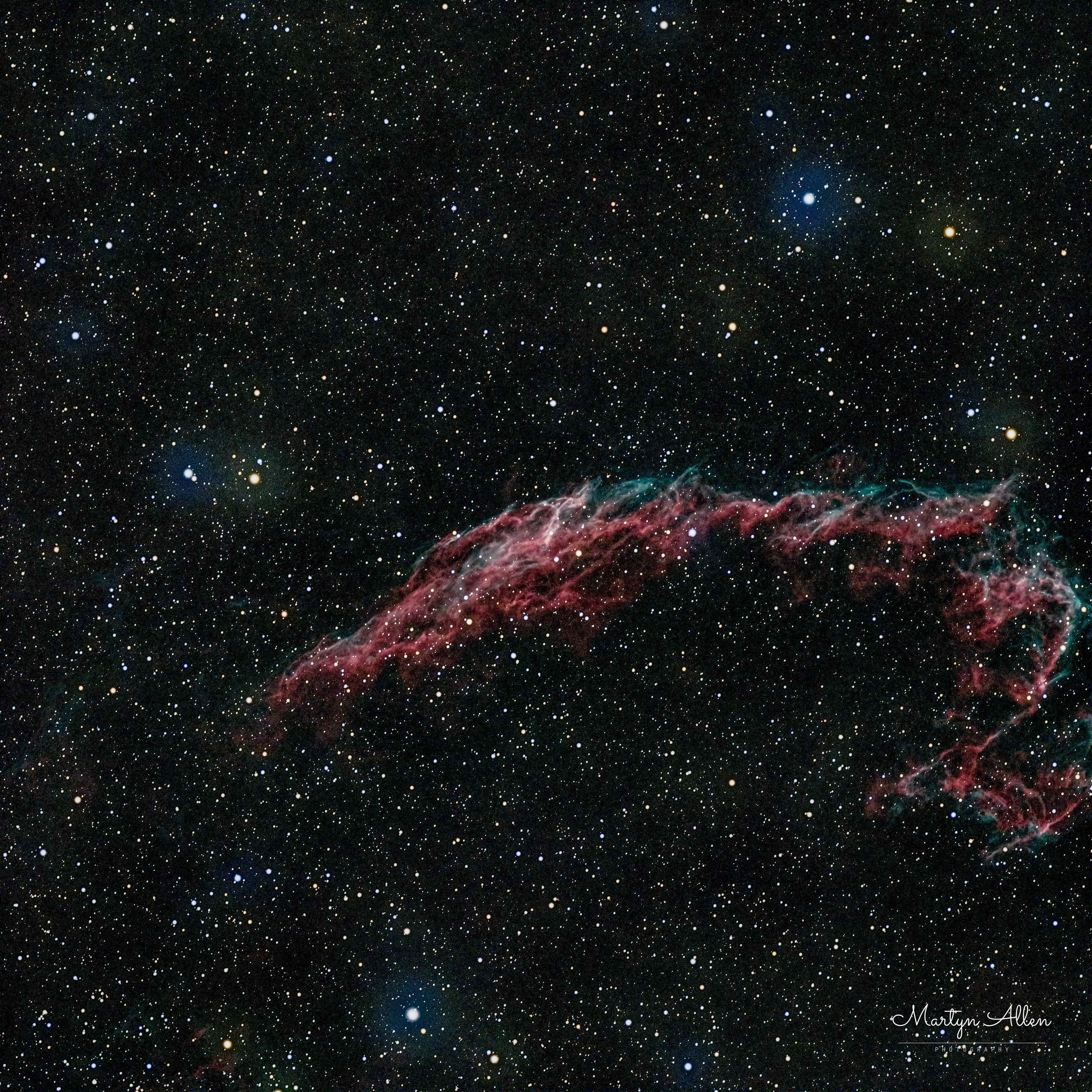
After a few years away from astronomy and astrophotography, I decided to reignite my spark for the hobby by swapping the cumbersome Dobson reflector for a smart telescope, the Seestar S50. I excitedly tried to capture as many night sky objects as possible. It was only after leaving it running outside overnight that my first shot of the Veil Nebula blew me away by how much detail you can actually capture. I've since decided to upgrade to a full manual rig, to learn more and capture even more detail, and use my S50 when travelling or visiting family/friends.
Everything published is unedited beyond normal processing — no stock images, no borrowed data. My reviews contains the gear I've actually used, for better or worse. The Guide section is what I wish someone had explained to me plainly before I had to learn it the hard way. The workshop is where the hobby turns into something closer to a dataset — running the photo archive itself through some models and analysis, because eventually you start wondering what else it can tell you.
The gear
Camera, mount, cables — everything that goes into both rigs above, linked if you want to go and buy the exact same thing.
Camera
ZWO ASI533MC Pro
Cooled one-shot-colour astro camera — the main deep-sky camera now, on the Askar 71F and run from the ASIAIR. The regulated cooling keeps thermal noise down over long sub-exposures in a way a DSLR can't.
Nikon D5300
The DSLR I started on. Still handy for wide-field and lunar work, but the cooled ASI has taken over for deep-sky.
Buy on Amazon →Telescope
ZWO ASIAIR guide scope (120mm)
Mini guide scope paired with the ASIAIR Plus for autoguiding.
Accessories
ZWO ASIAIR Plus
Wireless imaging controller — handles capture, guiding and plate-solving.
Miscellaneous
Everything else that keeps the rig powered and connected.
- ·ECO-WORTHY 12.8V 20Ah LiFePO4 deep cycle battery — powers the whole rig away from home Buy →
- ·12V 10A power lead — for sessions at home
- ·N3 shutter release cable Buy →
- ·Second Nikon camera cable Buy →
- ·Dummy battery (DC coupler) for the Nikon D5300 — continuous power instead of swapping batteries Buy →
- ·Spare/additional power cables
- ·Data cable — ASIAIR Plus to the HEQ5 Pro mount
Support the site
Astromar doesn't run ads, and the odd affiliate link barely dents the cost of the gear above. If you've enjoyed the photos or found a guide useful, you're welcome to buy me a coffee — it goes straight back into camera gear, clear-sky trips, and the very late nights that make these images happen. Never expected, always genuinely appreciated. Prefer something physical? Prints of these shots are also available to buy.
I hope you enjoy my content, and if you do, feel free to follow me on Instagram.